

January 25th is Women’s Health Research Day, a day that commemorates the implementation of the National Institutes of Health’s 2016 policy to improve the representation of women in clinical trials. It is milestone worth recognizing, and a reminder of how recently women's health was taken seriously in scientific research.
For decades, women's bodies were treated as an afterthought in medicine. In the U.S., clinical trials were not even required to include women until 1993. As a result, many treatments were designed for male bodies, leaving massive gaps in understanding conditions that primarily affect women and people born with a uterus.
Endometriosis exposes this gap clearly. It affects one in ten people assigned female at birth—about 6.5 million people in the United States and over 190 million worldwide. This includes cisgender women, transgender men, and non-binary individuals. Despite causing debilitating pain, infertility, and impacting every aspect of a patient’s life, its causes remain poorly understood.
In fiscal year 2024, the NIH allocated just $28 million to endometriosis research. That’s a mere 0.067% of the NIH’s total budget, and approximately $4.30 per affected individual per year.
If you compare that to other conditions, the numbers are even more bleak. Crohn’s disease, which affects about 690,000 people in the U.S., received $90 million in 2022. That’s $130 per patient, more than 30 times the funding per patient that endometriosis receives. The issue isn’t overfunding elsewhere; it’s that endometriosis is severely underfunded.
The gender gap in research funding isn’t limited to endometriosis. A landmark analysis published by the Journal of Women’s Health in 2021 found that in three-quarters of cases, the NIH overfunds diseases predominantly affecting men while systematically underfunding those affecting women. The actual-to-commensurate funding ratio tells the story: a ratio of 1.0 would mean a disease receives funding proportional to its impact. Endometriosis had a ratio of just 0.18 in recent years, meaning it receives less than one-fifth of the funding it deserves based on its burden.
This funding gap has real consequences, and translates directly into delayed diagnoses. The average endometriosis patient waits 7 to 10 years for confirmation of their disease, often enduring dismissive doctors who tell them their pain is “normal.” Limited research on endometriosis means limited treatment options, continued reliance on invasive laparoscopic surgery for diagnosis, and millions of people forced to navigate their lives around debilitating symptoms. For transgender men and non-binary individuals with endometriosis, these challenges are often compounded by additional barriers to care, including providers unfamiliar with treating endometriosis in patients who may be on gender-affirming hormone therapy.
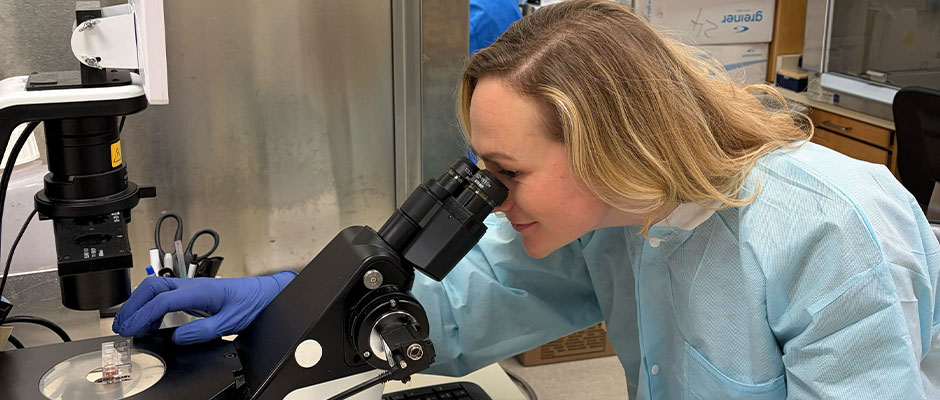
Women’s Health Research Day asks us to recognize how far we’ve come and how far we still have to go. Yes, we’ve made progress. Research funding for endometriosis has increased from a low of $6 million in 2017. The House Endometriosis Caucus launched in 2020, expanding growing awareness. The first ever research center exclusively focused on endometriosis was launched at Cold Spring Harbor in 2024. But it’s not enough, and we have more work to do.
We need a fundamental shift in how we value health for people with female reproductive systems. We need funding that matches the burden endometriosis places on millions of lives. We need a healthcare system that believes people when they say something is wrong.
This January 25th, as we commemorate Women’s Health Research Day, let’s use it as more than a moment of reflection. Let’s use it as a call to action—for more funding, more research, more awareness, and ultimately, for answers that millions of people desperately need and deserve.