

I had textbook endometriosis symptoms beginning with my first menstrual period in sixth grade. The pain was unbearable, and the bleeding was heavy and frequent. To make matters worse, we lived in China at the time, a conservative country where discussing periods was taboo. This was also during the COVID-19 pandemic. The quarantine rules were strict, and finding a doctor who could help me was impossible. My only saving grace was that all three years of middle school were online, so I could go to school from my bed with a heating pad and Advil.
We moved back to the U.S. in 2022 for my freshman year of high school, and I attended a boarding school in Massachusetts. In October of my freshman year, I had a period where I bled daily for 30 days straight with some of the worst cramps I’ve ever had. When I went to our on-site doctor about 20 days in, he said my symptoms were normal, nothing more than stress from the change of being away from home. He prescribed me birth control to help—which it didn’t. Within a month, birth control wreaked havoc on my body and gave me every side effect on the books. I became a fixture in the nurse’s office for at least the first two days of my period every month during my freshman and sophomore years.
I stayed silent until my junior year, the fall of 2024, when I couldn’t take the pain anymore. I ran cross-country that season but regularly cramped up and threw up after races, if I was able to run at all. My pain got to a point where it was simply unlivable even when I was not on my cycle. I was on the ski team heading into that winter but missed a lot of practices due to continuous blood testing, ultrasounds, and pain. When I returned to the school doctor, I told him my symptoms weren’t normal and that I couldn’t live like this any longer. He looked me straight in the eyes and said, “You got out of bed and were able to come here. I don’t believe you’re in the pain you’ve just described.”
During this time, in December 2024 and January 2025, I went to a gynecologist at home in Rhode Island. I described my cramps to him in the best way I could: ‘Like heated fiery barbed wire scraping from the outside of my uterus with the occasional front jab to my stomach.’ He told me to try Advil and ibuprofen together despite telling him no pain meds work for me. He did two more ultrasounds over the course of two months and said I had a polyp but that I was too young to have to worry about it. My body, he said, would take care of it on its own, and looking into any further would make no sense. He continued to insist the pill would be the answer to all my problems. On my last visit with him, he said, as I was crying to him about how confused I was that I had monster periods, “I feel hopeless for you and hope you can find a way to deal with the pain for the rest of your life.”
Angry, frustrated, and determined to find answers, I researched my symptoms and, for the first time, found out about endometriosis. I sobbed as I sat in my dorm room watching a video on EndoFound’s website. Just like that, I knew what was wrong.
After finally insisting to my mom that I needed more help than these two doctors could give, she called her gynecologist, who delivered me for advice. My mother's doctor immediately referred me to an adolescent gynecologist, whom I saw in February 2025. I told her about my symptoms, and it was the first time any medical professional had listened to me. Without me telling her anything about my research, she suggested that I may have endometriosis and said I should have surgery to confirm it. I believe that if she had dismissed me, I would have given up the fight and would not have the answers I have now.
I was scheduled for excision surgery in August 2025, and I was terrified going into it. Not because I was afraid of what she would find, but because of what she might not find. I was fighting that mental battle that so many with this disease do: What if she doesn’t find anything? What if it really is all in my head?
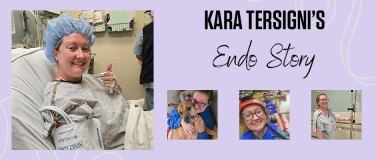
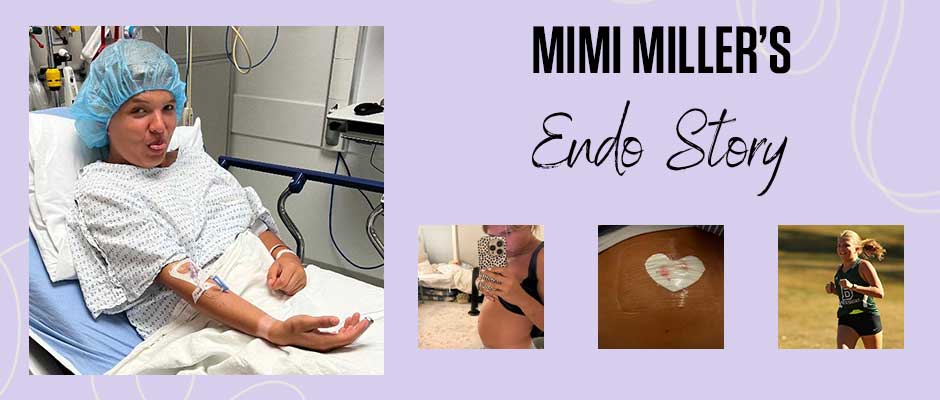
My dad told me that when I came out of surgery but was not yet fully conscious, I continually repeated, “So am I crazy? Am I okay? Was I right? Did I have it?” The surgeon removed eight lesions, all of which tested positive for the disease. I cried when the results came back. Being told that I was right was incredibly validating.
But, unfortunately, my endometriosis story isn’t over.
After the surgery, I was still in pain, and I don’t know why. I was actually flaring up more often during my post-recovery days. I felt like I lost myself, as every time I tried to get back into running after I was cleared, I couldn’t last more than five minutes. Running was all my mind wanted to do, but it was the last thing my body could do. Needing something to get me through my senior year of high school this past spring and into my freshman year of college this fall until I can find answers, I tried birth control again and Aygestin, which didn’t work. I worked with a nutritionist for an anti-inflammatory diet, and I also tried Orilissa, which provided no relief. It actually made three months of my senior year a living hell where I was in full-blown chemical menopause, going many nights during the last two weeks on the medication without a wink of sleep, constant hot flashes, night sweats, and the worst mood. In May, I started a microdose of tirzepatide, which I learned about while watching EndoFound’s Patient Day Instagram reel, and it has provided me with the most relief I’ve had since middle school. I still have some flare-ups when I overstrain my body or am close or on my period, but nothing like before.
I start college in Massachusetts this month; I am 18 now, and I’m ready. Having lived at a boarding school for four years with this disease, I know I’ll be able to handle it. In the meantime, I’ll search for a new doctor who specializes specifically in endometriosis and continue doing whatever I need to do to take care of myself.
Endometriosis has taken so much from me personally. Physically, it’s debilitated me. Mentally, it has raised my anxiety and made me doubt myself. I was forced to grow up quickly and think about things that no teenage girl should ever have to worry about, such as the possibility of freezing my eggs or whether what I put in my body will cause a flare-up. Being in a body that looks perfectly healthy creates an isolation I was never prepared for. At times, I’ve blamed myself for not being able to do certain things. There have been many times I have questioned why my body is choosing to be my biggest enemy. Sometimes it simply feels like my own body is failing me and I cannot do anything to save it.
But something endometriosis has taught me is to lean into the ebbs and flows of life, not take the small moments for granted, and always go the extra mile for someone—because you never know the silent battle they may be fighting. I know how incredibly lucky I am to have been diagnosed at such a young age, and now I want to speak up and never give doctors the chance to dismiss any of us again.
If you have symptoms and have yet to be believed, keep pushing. A wise woman once told me to find your why, dig deeper than you ever have before, trust your gut, and never let those things get in your way. Even if doctors place the biggest obstacles in front of you, I hope you do the same because one day you will find the answers you need.
To those who have been diagnosed, lean into the amazing group of women all over the world who have come forward with this disease. We are lucky to have each other, and I could not survive without all of the endo warriors everywhere.
To our support systems, please never assume how we feel or tell us we are overreacting. Most of the time, we are underreacting and have learned to mask it. Supporting us could simply mean listening. We have already been questioned more than we should have been, including by ourselves. Please, just listen.
To the doctors who have listened to us, thank you. And to the doctors who don’t listen or don’t have the education to help us, please learn about this disease, what we go through, and what we need. We aren’t making this up. Our pain is real, and we deserve to be heard and treated properly.
*Patient stories submitted to EndoFound.org are the patient's views, not necessarily those of the foundation. All testimonials are from real patients, may not reflect the typical patient’s experience, and are not intended to represent or guarantee that anyone will achieve the same or similar results.