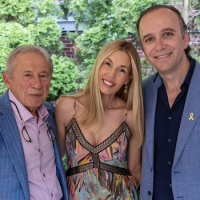


On December 11, 2025, the House Endometriosis Caucus convened via Zoom to amplify voices on the frontlines of endometriosis advocacy. Representing the latest in a series of caucus initiatives aimed at elevating endometriosis from an overlooked condition to a recognized public health priority, the virtual gathering was hosted by the Office of Congresswoman Nikema Williams and featured five prominent speakers across patient advocacy and endometriosis research including Lauren Kornegay, founder of Endo Black; Diana Falzone, journalist and EndoTV host; Alexis Joel, women's health advocate; Dr. Charlotte Frank Sage, Director of Research Initiatives at EndoFound, and Dr. Semir Beyaz, Assistant Professor at Cold Spring Harbor Laboratory (CSHL) and lead investigator of the Seckin Endometriosis Research Center for Women's Health at CSHL. The participation of both patient advocates and leading researchers made for a powerful meeting and reinforced the critical need for legislation to secure adequate funding and resources for a disease affecting an estimated 200 million worldwide.
Endometriosis occurs when tissue similar to the uterine lining grows outside the uterus, causing debilitating pain and infertility, among many other symptoms. Despite affecting one in ten people assigned female at birth, it takes an average of seven to ten years to receive an accurate diagnosis. As Lauren Kornegay emphasized while sharing her diagnosis journey, significant disparities persist in diagnosis, treatment access, and quality of care for endometriosis patients. “Black women are 50% less likely to be diagnosed,” Kornegay explained, “not because they experience endometriosis less but because they are believed less.” This was why she founded Endo Black, an organization that addresses the glaring lack of representation for women of color in the endometriosis community.
In a powerful speech to follow, Diana Falzone shared her personal journey with the disease, emphasizing the extreme physical, emotional, and financial toll endometriosis takes on a person. Falzone, who has worked tirelessly to expand endometriosis awareness both through media coverage and direct advocacy, explained that she’s had to fight insurance to even cover at least one of her organ-saving surgeries, and still the financial cost of having the disease is well into the six figures for her; “Imagine a woman who does not have health insurance, money, or access to care,” she asked. “What do they do?”
Alexis Roderick Joel, whose voice and leadership have brought new visibility to the disease in the past year, discussed her relatively late diagnosis at age 35 and the years of debilitating pain and multiple misdiagnoses that followed. “The amount of women who suffer needlessly is a massive failure of this system,” Joel poignantly said while sharing her diagnosis story and the years of debilitating pain she’d endured.
The House Endometriosis Caucus was formed to push for legislative changes that can change this system. On March 5, 2020, during Endometriosis Awareness Month, then-Congresswoman Abby Finkenauer took to the House floor with a deeply personal revelation. The 31-year-old Iowa Democrat, who had been living with endometriosis since her teenage years, announced the formation of the first-ever House Endometriosis Caucus. Joined by co-chair Congresswoman Jenniffer González-Colón, the bipartisan caucus launched with 28 members committed to raising awareness and securing research funding.
Finkenauer's courage in sharing her story—speaking openly about persevering through campaign events in severe pain, about the frustration of being told stabbing abdominal pain was "normal"—resonated across Congress and the country. Her announcement came after discovering that endometriosis was among the least-funded conditions at the National Institutes of Health (NIH) despite affecting one in ten women.
"Working through severe pain is part of life for millions of women all over this country, and it is time we stand up and fight for them," Finkenauer said at the caucus launch.
The caucus's first major achievement came swiftly. In July 2020, the House approved Finkenauer's amendment to double federal research funding for endometriosis from $13 million to $26 million annually, a historic win that represented the caucus's ability to translate personal stories into policy action.
When Finkenauer left Congress in 2020, Congresswoman Nikema Williams stepped into the chairwoman role, with González-Colón continuing as co-chair. Williams, who herself lives with endometriosis, has continued pushing for the same $26 million in research funding to be maintained in annual budgets—a push that requires constant vigilance as appropriations bills move through Congress each year. Still, the caucus has successfully maintained federal attention on endometriosis research through multiple congressional sessions, ensuring that the disease remains eligible for funding, and in 2022, the caucus supported introduction of the bipartisan Endometriosis CARE (Coverage, Awareness, Research, and Education) Act, led by Representatives Lauren Underwood, Nikema Williams, Jenniffer González-Colón, and Alma Adams. The legislation called for significant investments in endometriosis research and public awareness campaigns and is a critical step toward the future patients deserve.
Particularly with the Endometriosis CARE act, there is renewed hope that federal investment in research will finally match the scale of this public health crisis. This month’s caucus closed out with Dr. Charlotte Frank Sage, who emphasized the importance of ongoing support for clinical researchers and scientists who specialize in endometriosis. Collaboration, Sage added, is key, and will be critical to advancing research.
“Surgery should not be the only way to treat this disease,” Dr. Semir Beyaz concluded at the caucus, where he committed to his goal to help not only find a noninvasive diagnostic method for endometriosis, but also a way to cure the disease entirely. As the lead investigator of the Seckin Endometriosis Research Center for Women's Health, which opened in May 2025, Dr. Beyaz is pioneering research that explores how endometriosis is formed. His research aims to identify biomarkers for diagnosis and develop therapeutic targets, which, in hand with continued advocacy, education, and congressional support, could create lasting and radical change in the way endometriosis care is accessed.
The trajectory of endometriosis advocacy shows steady, hard-won progress. Each victory—whether legislative funding, state education mandates, or increased public awareness—builds on the last. The path forward requires sustained political will, dedicated research infrastructure, and the courage of those willing to speak out about a disease that has been ignored for far too long.
If you’d like to be involved, stay in touch by signing up for our newsletter, where we will announce the House Endometriosis Caucus’s Hill Day in the new year.