

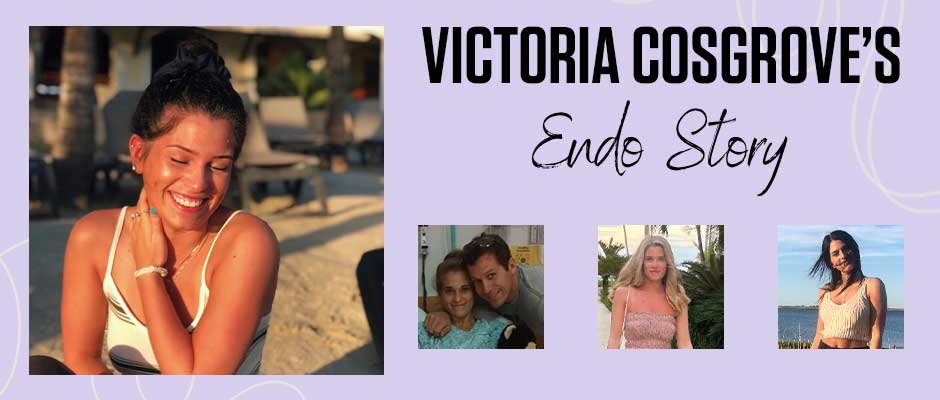
I was diagnosed with endometriosis when I was 14 years old. At an age when most kids are immersed in friendships, school dances, and athletics, I was learning how to live inside a body that was turning against me. Fourteen years ago, there was no roadmap, no community, and no doctor to truly guide me through what that diagnosis meant. I felt completely alone. I was handed a name for my pain but no understanding of it.
My first surgery was an ablation. I was told it was the solution. I was sent home with a list of medications to try—birth control, pain pills, and, eventually, Lupron—and the unspoken message that this was just something I would have to manage. When the medications didn’t work, I spoke up. When the side effects were unbearable, I spoke up again. Each time, the answer was another pill, another shot, another way to silence symptoms rather than treat the disease.
Meanwhile, endometriosis was taking over my life. The chronic pain was relentless. The fatigue was crushing. I missed school, events, and moments I’ll never get back. I felt older than my years, trapped in survival mode while everyone else was growing up. I didn’t know anyone my age who understood what it was like to live in constant pain, to feel betrayed by your own body before you’ve even had the chance to fully know it.
Over the next few years, I underwent three more surgeries. Each one came with hope, and each one ended the same way—with temporary relief at best, followed by disappointment. I continued trialing drug after drug and shot after shot, desperately wanting to believe the next option would be the solution. But nothing changed. I felt helpless, like I was failing at advocating for myself, even though I never stopped trying.
Then, in 2019, everything shifted. I was finally offered excision surgery. Not symptom management. Not another temporary fix. Actual treatment. It felt like being handed a lifeline after years of treading water, and it changed my life. For the first time since I was a child, I experienced relief that lasted. I was in less pain. I had energy again. I could be present. I could live. I felt like I got pieces of my childhood back that I thought were gone forever.
But, unfortunately, the journey didn’t end there. Five years ago, I was diagnosed with adenomyosis, and gradually, the pain returned. Different, but just as consuming. After years of weighing options and grieving what this meant, I decided to have a hysterectomy.
And here I am today—29 years old and still standing. Still healing. Still advocating. My story is not just about pain; it’s about persistence. It’s about what happens when patients are told to endure instead of being treated. And it’s about the life-changing difference that proper care, education, and excision can make.
Endometriosis stripped me of my childhood. It took away the simple freedoms most kids never have to think twice about—going out with friends after school, playing sports, staying late at events without worrying how my body would react. It took away spontaneity, innocence, and the ability to just be a kid. Being diagnosed at fourteen didn’t just change my health; it shattered my sense of normalcy. I was forced to grow up far too fast, navigating pain and medical decisions before I fully understood myself.
What made it harder was that the doctors I saw early on didn’t know how to help me. There was no clear guidance, no validation of how deeply this disease was affecting every part of me. I was left feeling lost—physically, emotionally, and mentally. Over time, that confusion turned inward. I told myself I was broken. I believed my body had failed me and that my future would always be limited by pain.
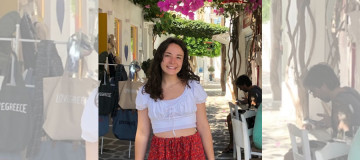
Endometriosis didn’t just affect me physically; it deeply impacted my mental health and daily well-being. Living in constant pain creates a quiet kind of isolation. Anxiety became a constant companion—wondering when the next flare would hit, if I could commit to plans, or if I would be believed when I said I wasn’t okay. Depression followed closely behind, fueled by grief for the life I thought I would have. In college, I missed out on experiences others took for granted—late nights, social events, even classes—because my body simply couldn’t keep up. I learned how to function while hurting, how to smile while exhausted, and how to hide just how much I was struggling.
But somewhere along the way, something shifted. I realized that while endometriosis had taken so much from me, it had also given me a perspective most people never develop. I understood chronic pain on a level that couldn’t be taught. I learned empathy, patience, and compassion—not just for others, but eventually for myself.
That realization became a turning point. I asked myself how I could take this pain and turn it into something meaningful. I started sharing my journey publicly, creating an Instagram account where I posted food recipes, daily motivation, and pieces of my story. Even when I felt broken inside, I wanted others to feel less alone. I wanted to raise awareness, to validate experiences, and to be the voice I so desperately needed at fourteen.
Endometriosis changed my life in profound ways. It took, but it also shaped. And today, I carry both truths with me—honoring what I lost while using my story to help light the way for others.
What I want others to know about endometriosis is simple, yet so often overlooked: we are still human. Just because you can’t see our illness doesn’t mean it isn’t there. There is no label on our foreheads, no cast or visible wound, but that doesn’t make our pain any less real. Every day, millions of people are walking through life carrying a disease that affects their entire body, often in silence.
People with endometriosis are not weak. We are not exaggerating. We are not being dramatic. We are warriors—strong in ways most people will never have to be. It takes an incredible amount of resilience to show up to work, school, relationships, and life while managing chronic pain, fatigue, inflammation, and organ dysfunction. Strength doesn’t always look like pushing through; sometimes it looks like surviving another day.
Endometriosis is not “just a bad period.” It is not something that can be fixed with a heating pad or dismissed with a pill. It is a complex, full-body disease that can affect the pelvis, bowels, bladder, diaphragm, lungs, nerves, and mental health. It impacts energy levels, fertility, intimacy, and overall quality of life. When someone with endometriosis says they are struggling, believe them.
What we need most is to be heard. To be taken seriously by doctors, employers, teachers, friends, and family. To have our pain validated instead of minimized. Listening—truly listening—can change lives. Early intervention, proper treatment, and compassionate care matter more than people realize.
Above all, understand that people with endometriosis are doing the best they can with bodies that don’t always cooperate. We don’t want pity; we want understanding. We don’t want to be dismissed; we want support. And we don’t want to be invisible anymore.
Endometriosis may be hidden, but those living with it deserve to be seen, believed, and respected.
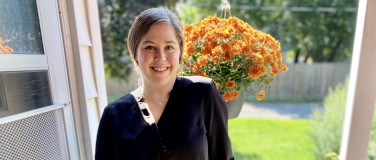
Victoria Cosgrove lives in Plymouth, Massachusetts. She is hosting a golf tournament, “Swinging for Hope: Driving Change for Endometriosis,” on July 11 to benefit EndoFound. Donations can be made at www.gofundme.com/f/join-us-to-fund-endometriosis-awareness.
What I want others to know about endometriosis is simple, yet so often overlooked: we are still human. Just because you can’t see our illness doesn’t mean it isn’t there. There is no label on our foreheads, no cast or visible wound, but that doesn’t make our pain any less real. Every day, millions of people are walking through life carrying a disease that affects their entire body, often in silence.
People with endometriosis are not weak. We are not exaggerating. We are not being dramatic. We are warriors—strong in ways most people will never have to be. It takes an incredible amount of resilience to show up to work, school, relationships, and life while managing chronic pain, fatigue, inflammation, and organ dysfunction. Strength doesn’t always look like pushing through; sometimes it looks like surviving another day.
Endometriosis is not “just a bad period.” It is not something that can be fixed with a heating pad or dismissed with a pill. It is a complex, full-body disease that can affect the pelvis, bowels, bladder, diaphragm, lungs, nerves, and mental health. It impacts energy levels, fertility, intimacy, and overall quality of life. When someone with endometriosis says they are struggling, believe them.
What we need most is to be heard. To be taken seriously by doctors, employers, teachers, friends, and family. To have our pain validated instead of minimized. Listening—truly listening—can change lives. Early intervention, proper treatment, and compassionate care matter more than people realize.
Above all, understand that people with endometriosis are doing the best they can with bodies that don’t always cooperate. We don’t want pity; we want understanding. We don’t want to be dismissed; we want support. And we don’t want to be invisible anymore.
Endometriosis may be hidden, but those living with it deserve to be seen, believed, and respected.
Victoria Cosgrove lives in Plymouth, Massachusetts. She is hosting a golf tournament, “Swinging for Hope: Driving Change for Endometriosis,” on July 11 to benefit EndoFound. Donations can be made at www.gofundme.com/f/join-us-to-fund-endometriosis-awareness.
*Patient stories submitted to EndoFound.org are the patient's views, not necessarily those of the foundation. All testimonials are from real patients, may not reflect the typical patient’s experience, and are not intended to represent or guarantee that anyone will achieve the same or similar results.